How to choose an electric scooter for adults
Choosing an electric scooter for adults comes down to five questions: how far you ride, how heavy you are, how rough your roads are, how often you carry it and how much you want to spend. We answer each one here with the numbers we use when riders ask us which MAXSHOT to pick.
Start with the ride, not the spec sheet
Write down your longest regular trip, round trip included. A commuter electric scooter should cover it with about 30 percent to spare, because real range falls with cold weather, hills and heavier riders. A 6 mile round trip suits almost any adult scooter; a 20 mile round trip needs a long range battery.
Then think about where the scooter lives. If you carry it up stairs or onto a train, portability and weight matter more than top speed. Riders who park in a garage can choose a heavier, more powerful model.
How much motor power does an electric scooter need?
For flat city riding, 350W is plenty: it reaches 19 mph and keeps pace with bike traffic. Heavier riders, or routes with bridges and steep ramps, benefit from 500W, which holds speed on a climb instead of slowing to a crawl. Dual motors add more power still, but also weight and cost that most commuters do not need.
Motor power also shapes acceleration. A 500W scooter pulls away from a light more briskly, which some riders find safer in traffic.
Top speed: fast enough, not faster
Most cities limit e-scooters to 15 to 20 mph in bike lanes. A scooter that reaches 19 to 22 mph has headroom without tempting you into speeds the brakes and tires were not designed for. Look for adjustable speed modes so you can ride slower on shared paths.
Range and battery: reading the numbers
Battery capacity is voltage times amp-hours. A 36V 7.8Ah pack stores about 280 watt-hours; a 42V 14.5Ah pack stores about 600. Manufacturers quote range for a light rider on flat ground in an eco mode, so treat the figure as a ceiling. A good rule: divide the claimed range by 1.3 for daily planning.
Charging time grows with capacity. Small packs refill in 3 to 4 hours; larger ones take 5 to 6. A removable battery lets you charge indoors and carry a spare for long days.
Suspension and tires: comfort versus maintenance
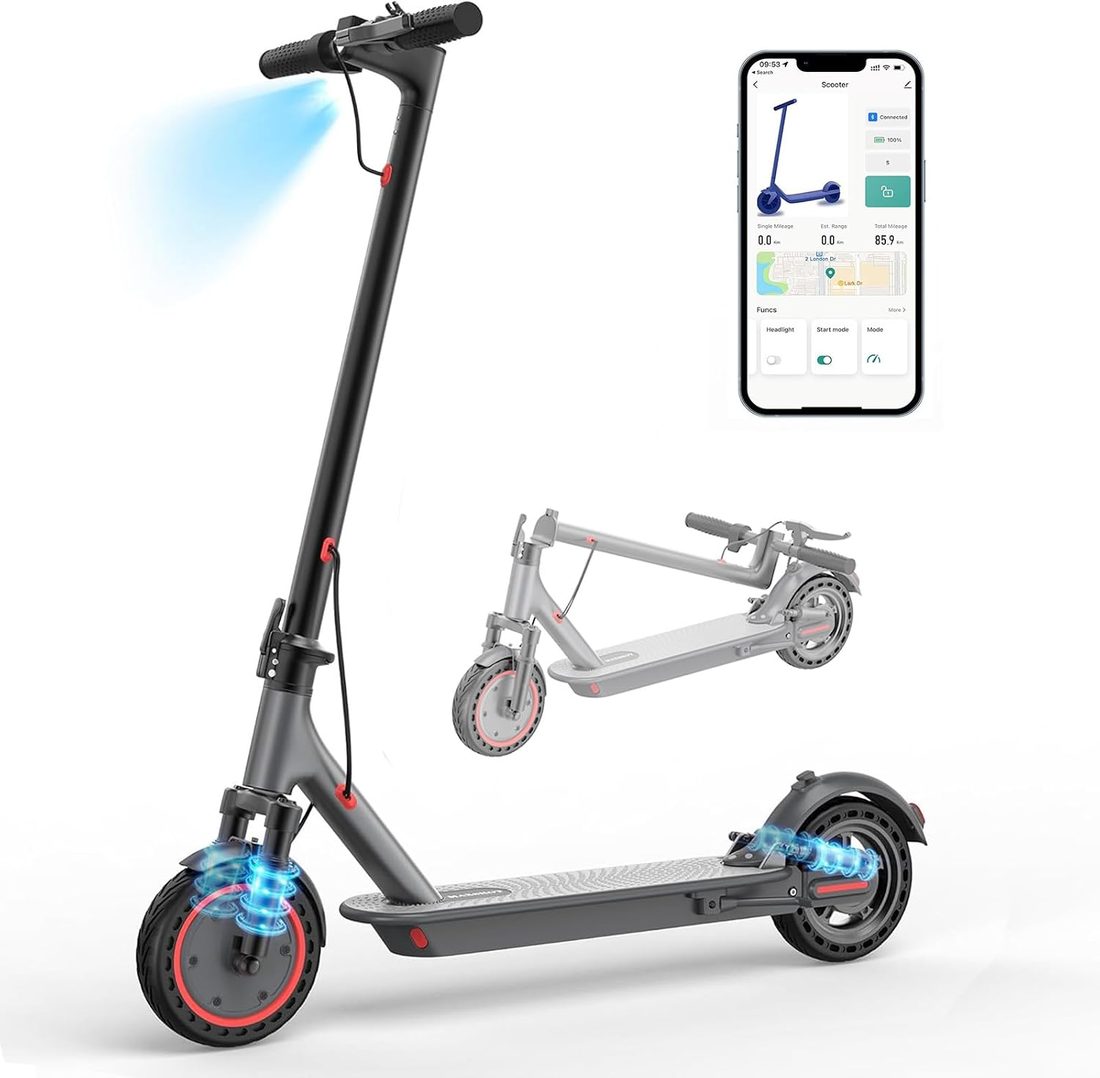
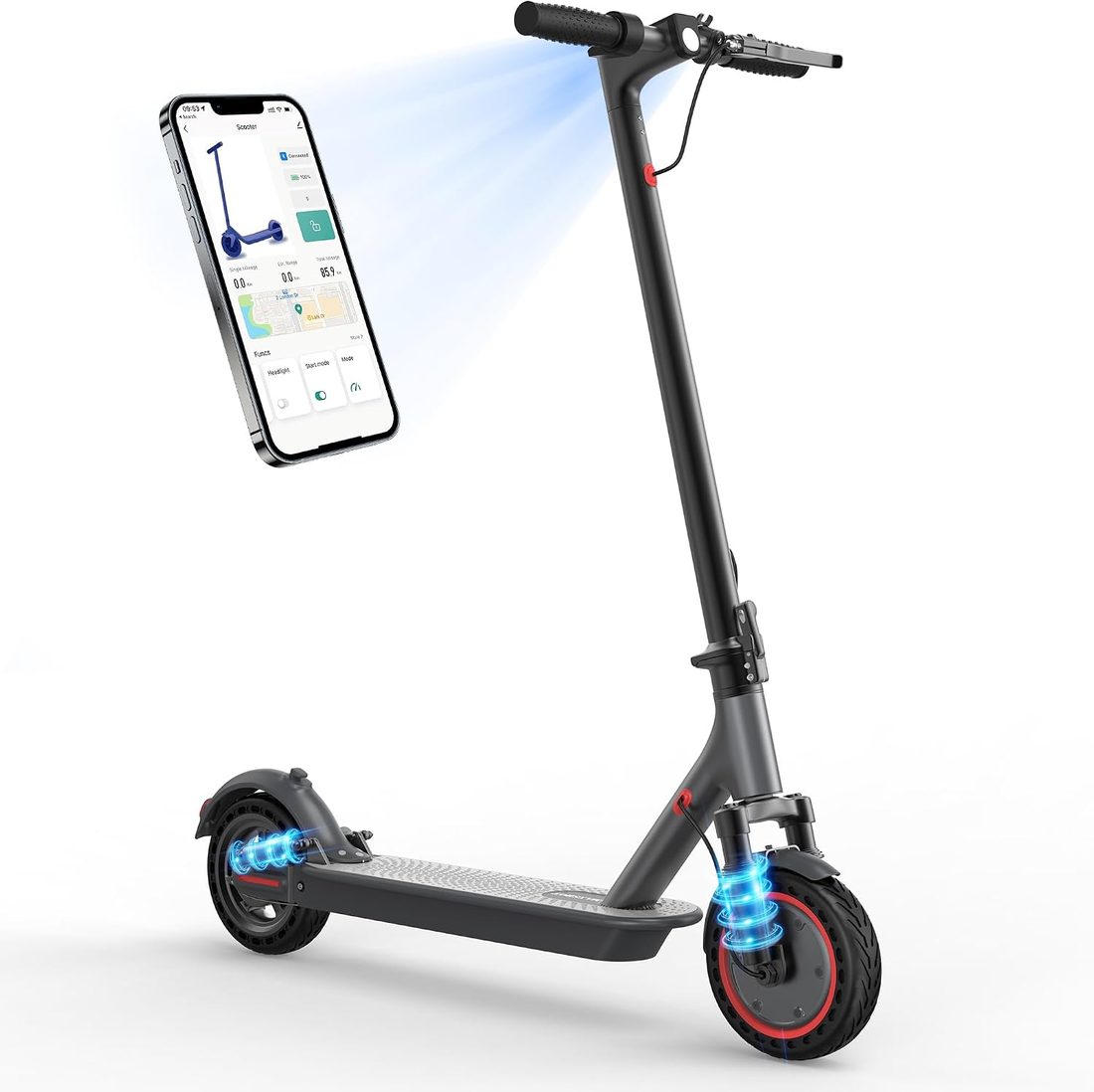
Pneumatic (air) tires ride softly but can puncture. Solid honeycomb tires never go flat and need no maintenance, but they transmit more vibration. Pairing solid tires with dual suspension — a shock at the front and rear — gives you comfort without the flats, and it is the setup we chose for our V1 PRO and 500W models.
Larger wheels matter too. Ten-inch tires roll over cracks and grates more smoothly than 8.5-inch ones, and feel more stable at higher speeds.
Weight, folding and portability
Under 30 lb, a scooter is easy to carry for a block; over 40 lb, most riders stop carrying it at all. Check the folded dimensions against your car trunk and the space under your desk, and look for a one-step fold with a secure latch. A dual-lock fold adds a second catch so the stem stays tight over small road vibrations.
Safety features worth insisting on
Look for a UL 2272 certified electrical system — it covers the battery, charger and wiring against fire risk. Two separate brakes, such as an electronic regenerative brake plus a drum or disc brake, give you a backup. Bright front and rear lights, a brake light and a non-slip deck finish the list, along with a helmet on the rider.
Smart features and app control
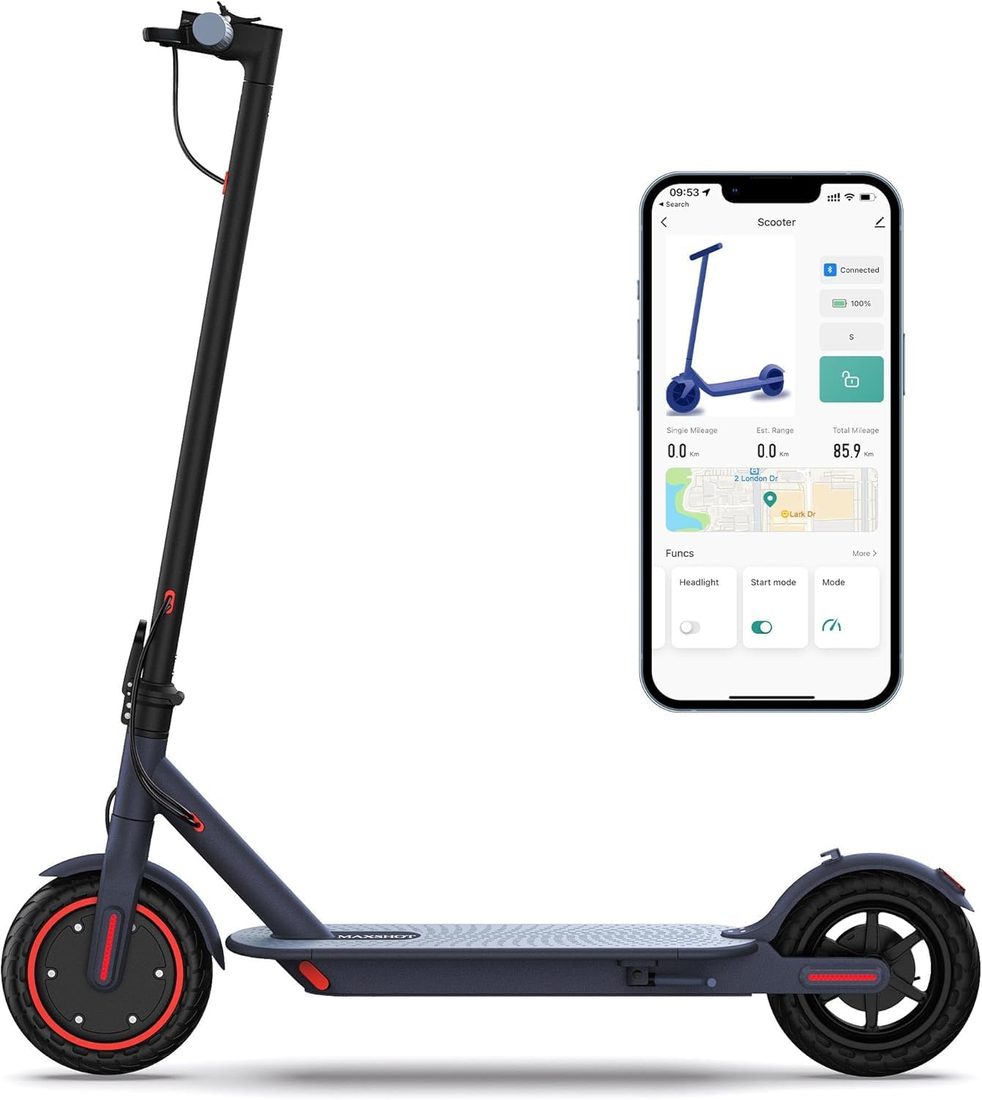
An app lets you lock the motor remotely, set a maximum speed for new riders, switch on cruise control and watch battery and trip data. It is not essential, but it makes sharing a scooter with family much easier.
Budget: what you get at each price
Around $150 to $200 buys a capable 350W commuter with solid tires and app control. Between $200 and $350 you add dual suspension, 500W motors, 10-inch tires and long range batteries. Above that, scooters move into dual-motor, off-road and seated designs built for heavier use.